While the rest of the developing world has been tapping into global value chains raising international exports, African trade has, on average, stagnated and in some cases even regressed
despite a big reduction in tariffs, global logistic charges, and other factors affecting the cost of trading internationally.
This can be attributed to the high intra-national trade costs in many countries in Africa resulting from both inefficient transport and logistics processes within the continent and the
clearing of goods of at harbours and border controls.
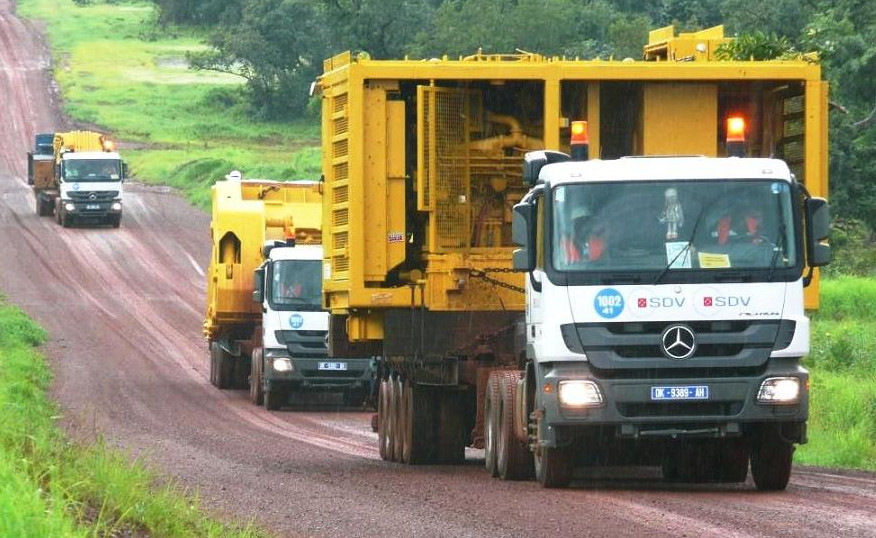
The costs of moving goods within countries are generally higher in developing countries than in the rest of the world, and this is especially true in much of Africa. Transport in
Africa is often unpredictable and unreliable with the cost of transport oftenly being higher than the value of the goods being transported, (World Bank).
Recent research shows that these costs constitute a significant barrier to trade in many countries with these costs having a knock-on effect on the total volume and efficiency of
international trade with other countries.
While the low availability and quality of roads is a well-recognised factor, inefficient logistics, low vehicle quality, and policies restricting competition also have significant effects.
Reducing these costs would increase trade and improve economic performance for exporting firms in Africa.
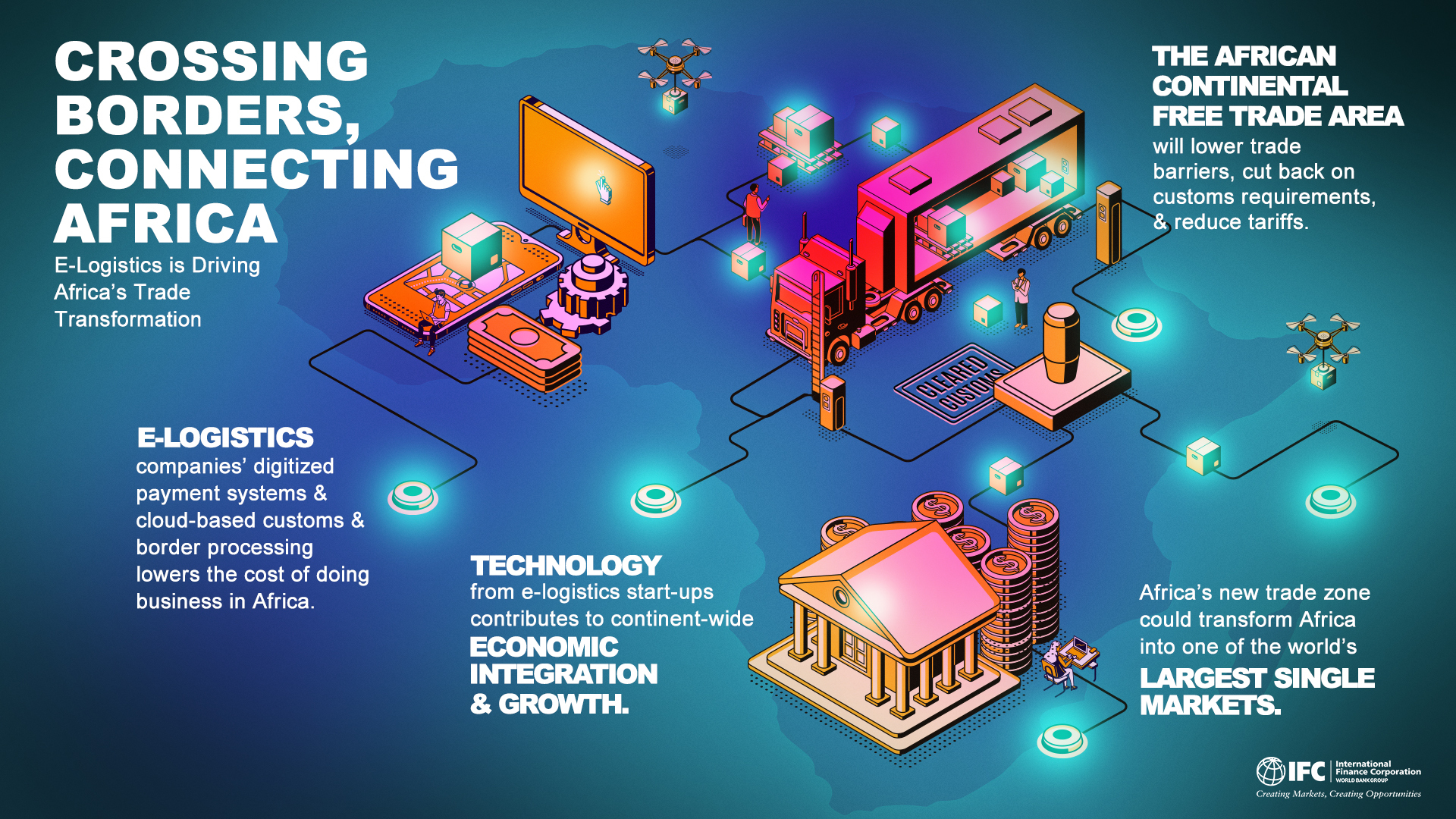
The newly implemented Continental Free trade Area seeks to address the ineficiencies resulting from restricitve policies, border controls and infrastructure inadequcy.This leaves inefficient
logistics and transport processes as the sole barrier to transport and logistics working for Africa's development.
Through a transport and logistics platform powered by algorithms defining the paths of least resitance in moving people and freight within the continent, highly qualified personel with quality
resources Nibiru plans to be remaining piece in connecting the continent to both itself and the world.